Replacing Fat With Muscle While Maintaining Weight
4/16/20263 min read

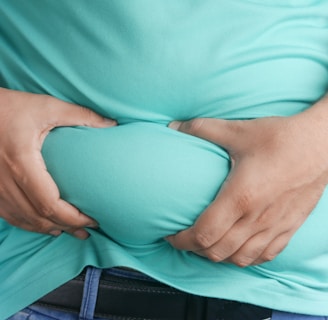
Many focus on either just losing weight or gaining muscle, a direct goal. One often overlooked goal is called body recomposition–the process of losing body fat while gaining muscle mass. The goal is to change the body’s composition rather than the number on the scale. This can be achieved through consistency, strength training, and a high-protein intake! This process is generally better for anyone who is a beginner or who has taken a long break from the gym. This blog will go over everything you need to know for body recomposition!
Understanding Body Composition
Body composition refers to the proportions of fat mass and lean muscle mass in your body. Unlike the number on the scale, body composition gives a clearer picture of your health and fitness. Muscle is denser than fat, so even if your weight stays the same, gaining muscle and losing fat can lead to a leaner, more toned physique.
This won’t be a quick and easy process; this goal requires a slight calorie deficit or maintenance of that deficit, which can be hard for some, especially if you’re not used to tracking your calories. One key is consistency and patience.
Focusing on body composition rather than just weight helps you set realistic goals and appreciate changes that a scale might not show.
Nutrition Strategies
Nutrition throughout this process will play a crucial role in replacing fat with muscle while maintaining weight. The key is to have a perfect balance of nutrients!
- Protein: Prioritize protein; it is essential for muscle repair and growth. Aim for about 1.2 to 2.0 grams of protein per kilogram of body weight daily. This is crucial because it is one of the most critical mistakes, leading to muscle loss rather than growth.
- Carbohydrates: Provide energy for workouts and recovery.Prioritize complex, high-fiber carbohydrates like whole grains, fruits, and vegetables.
Whole grains: Oats, quinoa, brown rice, brown pasta.
Starchy vegetables: Sweet potatoes, potatoes, peas, and carrots.
Legumes: Lentils, black beans, and chickpeas.
Fruits: Bananas, berries, oranges, and papaya
- Fats: Important for hormone production and overall health. Include healthy fats from sources like nuts, seeds, and olive oil.
To maintain weight, you need to eat roughly the same number of calories you burn, but shift the composition to support muscle gain and fat loss. Tracking your food intake and adjusting portions based on progress can be very helpful.
Exercise Approaches
Exercise is the engine of body recomposition. Here’s how to structure your workouts:
- Strength Training: This is essential for building muscle. Focus on compound movements like squats, deadlifts, and bench presses, aiming for 3-5 sessions per week
- Cardiovascular Exercise: Helps burn fat and improves heart health. Incorporate moderate cardio 2-3 times a week, such as brisk walking, cycling, or HIIT (High-Intensity Interval Training)
- Progressive Overload: Gradually increase weights or resistance to continuously challenge your muscles and promote growth.
Balancing strength training with cardio ensures you burn fat while preserving or increasing muscle mass.
Lifestyle and Recovery
Your lifestyle choices significantly impact your ability to replace fat with muscle
- Sleep: Aim for 7-9 hours per night to support muscle recovery and hormone regulation.
- Stress Management: Chronic stress can hinder fat loss and muscle gain. Practice relaxation techniques like meditation or deep breathing.
- Hydration: Staying well-hydrated supports metabolism and muscle function.
Prioritizing recovery allows your body to rebuild stronger and more efficiently.
Tracking Progress and Patience

